
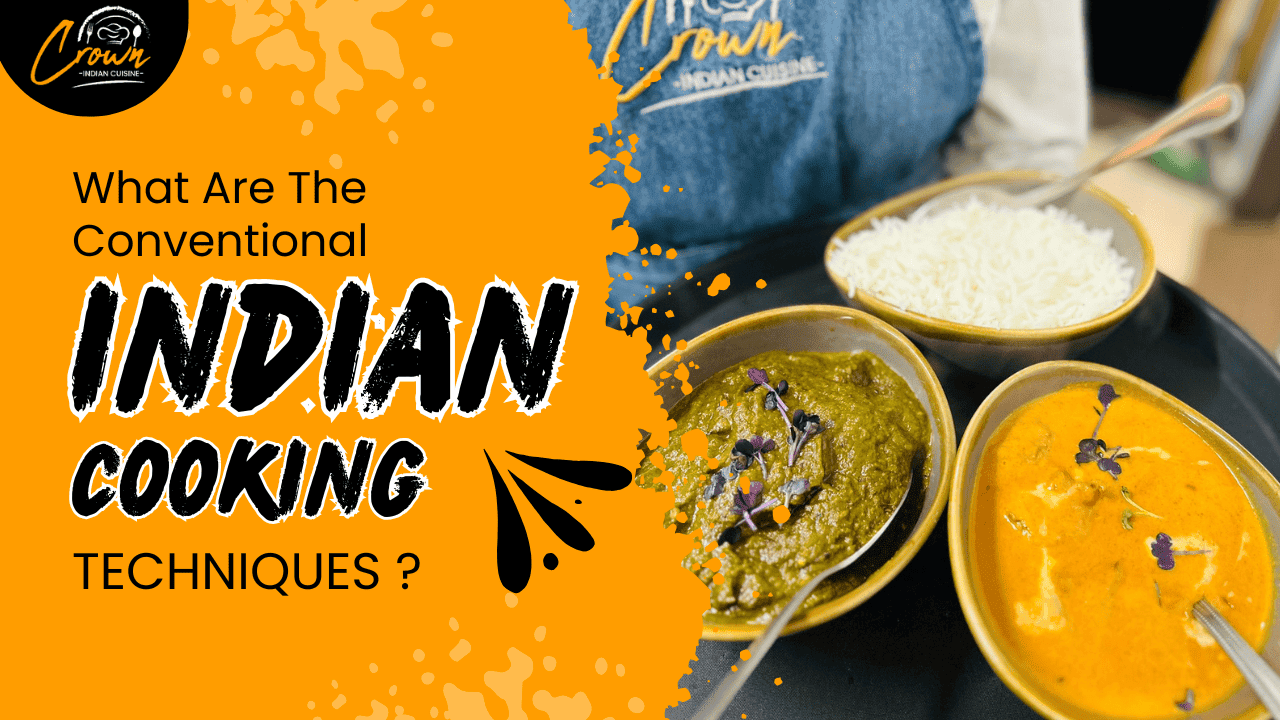

Designing a balanced Indian wedding menu involves balancing rich, indulgent dishes with lighter options, which properly includes all the regional specialities and offering varieties in flavour, texture and colour. The key to creating a balanced Indian menu lies in keeping in check different flavour profiles that are best for all the guests and providing various options of foods like vegan, vegetarian, non-veg or gluten-free. It is essential to keep the thoughts of every guest and design the menu according to their choices and preferences to ensure an excellent guest experience. There are various aspects that matter for designing a balanced menu for Indian weddings. Let’s talk about some important tips regarding that in this blog.
Core tips for creating a balanced wedding menu:
- Structure the menu by event.
Don’t use the same menu for mehendi or haldi, keep it light, colourful, and fun. Focus on interactive live stations like chats or popular street foods. For Sangeet or cocktail parties, keep a major focus on finger foods, which are easy to grab and eat, such as kebabs and easy-to-eat bites that pair well with alcohol. For the main event, that is, the wedding or reception, go for the heavy menu including varieties of starters and main course dishes that balance out the traditional flavours with the premium touch.
- Balance the flavour and texture profile.
A repetitious menu is memorable for the wrong reasons. You should offer a variety of pairings in the functions so the guest gets the opportunity to choose between the varieties and can get the most compatible match according to their taste. Pairing of rich gravies like Panneer Lababdaar works well with the healthier and lighter options like stir-fries, dal and raita. Ensure a mix of crunchy, soft and gravy dishes. Keep in check the spice levels of dishes for older people and children, and offer milder dishes.
- Incorporate regional and seasonal elements.
Make use of fresh seasonal ingredients to enhance the flavour, such as mangoes in summer or gajar ka halwa in winter. Mix north Indian dishes with south Indian dishes and add the regional dishes of the couple’s hometown. Live statutes act as a great source to create an interactive session. Bring in live counters for dosa, pasta or chaat, which adds a slightly different touch towards the freshness and visual appeal.
- Cater to dietary needs.
You should keep in mind the choices of all the guests according to their dietary needs because inclusivity is crucial when organising such a grand event. Clearly, label the dishes as vegetarian, vegan or gluten-free. Create a separate session for Jain food options. Keep a separate food station for it with no-onion-no-garlic food. Include some healthy alternatives, such as fresh salads, grilled food items and fruit chaat, to balance out the fried items.
- Finalise the flow
A well-structured Indian meal should flow. Start the event by serving the appetisers. Keep at least three vegetarian and two non-vegetarian options. In the main course, add two to three gravies, one dry vegetable and one dal. For the sides, keep two to three breads, rice, raita, salad and papad. Most importantly, don’t forget to add the most loved Indian dessert so the guest can enjoy a complete meal with a sweet dish. You should maintain a balance of hot and cold desserts. For instance, keep gulab jamun as a hot option and ice cream as a cold option for dessert.
Conclusion
A truly balanced Indian wedding menu goes beyond the limits of filling plates; it is a collection of flavours that caters to a multi-generational audience while celebrating the couple’s roots. The major success point is to prefer quality over quantity; the focus should be on choosing the quality ingredients, offering diverse dietary choices and ensuring fresh preparation of the food. This detailed approach ensures that couples can enjoy their special day along with this professional catering service that leaves guests thoroughly delighted. Crown Indian Cuisine is well known for organising the best Indian food catering for your big events, so that you and your guests get a worldly experience as guided by our expert Mr. Sandeep.
FAQs
- How many dishes should I add to the wedding menu?
The best choice is to add seven to eight starters, ten main dishes and at least four desserts.
- How can I make the menu more inclusive?
To make the menu more inclusive by including all choices of food options such as vegetarian, non-vegetarian, vegan and gluten-free.