
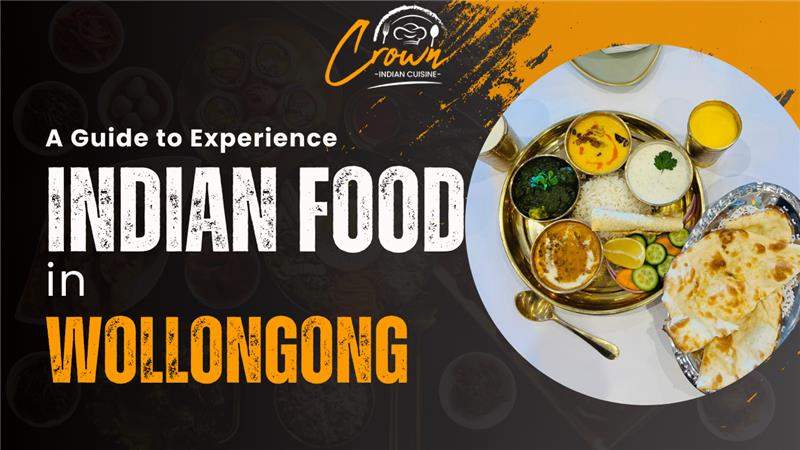

Thinking of trying a wholesome Indian meal? A complete Indian meal comprises whole grains, lentils, fermented foods, rice, roti and a variety of vegetables accompanied with pickle, curd or papad. It is generally a balanced meal, which is often prepared with minimal ghee for gaining maximum nutrition. A classic and traditional example of a complete Indian meal is a Thali, which provides several flavours as well as nutrients.
A wholesome Indian meal refers to one which is nutritionally balanced. It is a multi-course feast which features protein, carbohydrates, fibre, as well as many healthy fats, which are generally balanced with salty, sweet, sour and spicy flavours as well. It also offers significant health benefits because of its plant-based, nutrient-dense, as well as spice-rich composition, which is beneficial in boosting immunity, digestion and reducing the risk of chronic disease. Including ingredients such as ginger, turmeric, lentils and garlic, Indian cuisine offers anti-inflammatory properties. These ingredients are natural antioxidants which promote the health of the heart and also the wellness of the gut.
Health Benefits of Wholesome Indian Meal
- Improvement in digestive health: Indian meal is a plant-based, legume-rich and high-fibre diet which comprises digestive-aiding spices such as asafoetida, cumin and coriander, which are beneficial in supporting regular bowel movements and gut microbiota as well.
- Boosting immunity and fighting inflammation: Indian cuisines make use of natural spices, such as black pepper, ginger and turmeric, which are helpful in supporting the function of the immune system.
- Nutrient-dense and heart-healthy: Many traditional Indian dishes make use of fresh vegetables and legumes. They are low in processed ingredients, which help in managing cholesterol as well as in reducing the risk of heart disease.
- Rich in nutrients: The utilisation of fresh herbs and dynamic and diverse spices offers nutrients which are essential. Indian dishes do not rely on artificial additives or even preservatives.
- Natural detoxification: In order to detoxify the liver, the ingredients that assist include turmeric, garlic and leafy vegetables as well.
- Mental well-being: the heat we get from the spices such as pepper can even trigger the release of endorphins as well as dopamine, which further contributes to a factor – “feel good”.
What an Indian meal incorporates
- Protein: This is the main dish, which can be a central bowl of dal–lentil stew. This is very vital. This is usually supplemented by a main dish which has protein such as paneer, mutton or chicken.
- Staple Carbohydrates: The foundation is often either roti or rice.
- Vegetables: In order to provide vital nutrients and fibre, a dry stir-fried sabzi or vegetable is incorporated in the meal.
- Other accompaniments: They are helpful in adding taste and texture, which generally include a tangy pickle, yoghurt, raita, crispy papad and also chutney.
- Structure: The North Indian meals emphasise rotis and also thick gravies, South Indian meals are heavily based on rice, which often feature rasam and sambar. Similarly, Eastern and Western Indian meals are different from these.
Key components
- Lentils and Legumes: This encompasses protein. It includes a variety of types of dal, rajma or chickpeas.
- Whole Grains: They comprise rice, roti, brown rice or millet.
- Probiotics: Probiotics include buttermilk or yoghurt.
- Vegetables: Several vegetables include okra, cauliflower, leafy greens and eggplant.
- Healthy Fats: This incorporates the moderate use of mustard oil, olive oil or ghee.
Conclusion
When you prepare the Indian dishes with healthy oils, the home-cooked meals become nutrient-dense as compared to the processed foods, which include unhealthy oils. A complete wholesome meal generally aims for a balance of tastes and textures, which usually concludes with tiny sweet items, thereby making it a wholesome experience of dining. You must visit Crown Indian Cuisine, Windang and relish your favourite Indian meal. Mr Sandeep ensures the food is fresh and authentic. He makes sure that people are happy with the service of the restaurant and plan to visit again.
FAQs
Q1: Does Indian meals help with the management of diabetes?
A1: A complete Indian meal is generally ideal for the management of diabetes as it is inclusive of low-glycemic high fiber ingredients such as legumes, lentils and whole grains which ensure a consistent and gradual rise in blood sugar levels.
Q2: Can you explain the role of fermented foods in an Indian meal? A2: For the purpose of supporting a healthy gut microbiome and boosting immunity, raita, idli, dosa and curd are rich in probiotics.